



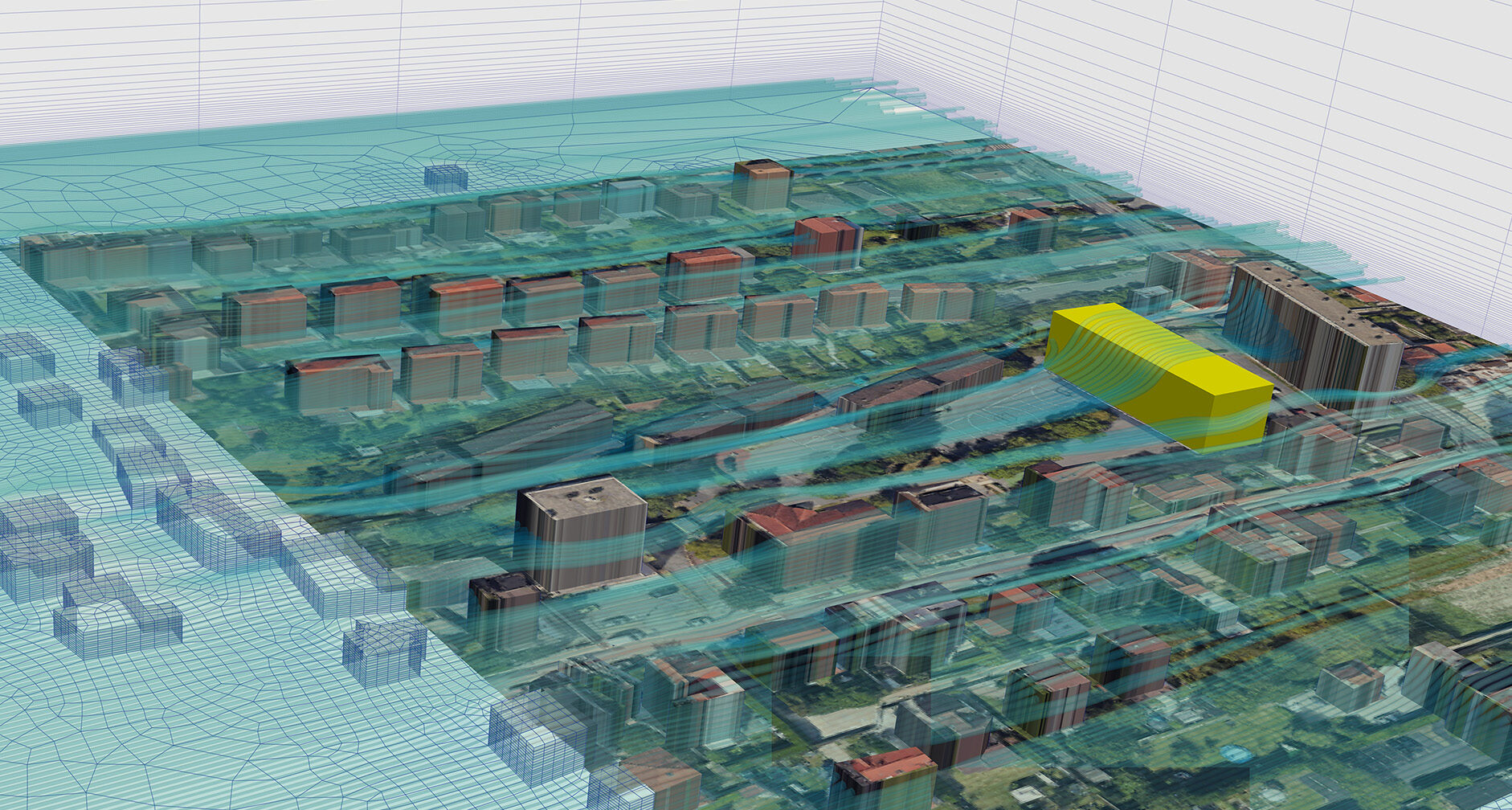
CERAWeek — dubbed the Davos of vitality — is the place policymakers, producers, technologists and financiers collect to debate how the world powers itself subsequent.
NVIDIA and Emerald AI unveiled on the convention final week a brand new means ahead — treating AI factories not as static energy hundreds however as versatile, clever grid belongings. This collaboration unifies accelerated computing, AI manufacturing unit reference architectures and actual‑time vitality orchestration, serving to massive AI deployments hook up with the grid sooner, function extra effectively and fortify system reliability.
Constructed on the NVIDIA Vera Rubin DSX AI Manufacturing unit reference design and Emerald AI’s Conductor platform, the method brings collectively compute, energy networking and management right into a single structure. The result’s an AI manufacturing unit that may generate excessive‑worth AI tokens whereas dynamically responding to grid situations — flexing when wanted, supporting reliability and decreasing the necessity to overbuild infrastructure for peak demand.
AES, Constellation, Invenergy, NextEra Power, Nscale Power & Energy and Vistra are working to construct the vitality era capability wanted to satisfy quickly rising energy demand. The businesses plan to collaborate on optimized era methods to assist AI factories constructed on the NVIDIA and Emerald AI structure, together with hybrid initiatives that use co‑positioned energy to speed up time to energy whereas delivering worth to the broader grid. By pairing massive AI hundreds with versatile operations, new era assets and clever controls, this method strengthens grid reliability.
It’s an essential milestone in grid resilience, supported by an ecosystem for superior AI factories. This new computing infrastructure paradigm — described by NVIDIA founder and CEO Jensen Huang as a five-layer AI cake — has vitality as its foundational layer.
Driving Enhancements in Tokens Per Second Per Watt
Energy constraints are reshaping AI information facilities, with vitality effectivity or efficiency per watt, particularly tokens per second per watt, the defining metric of our fashionable computing infrastructure. By prioritizing computational effectivity, organizations can decrease working prices, maximize income and create a resilient digital infrastructure for companies and customers throughout America and worldwide.
“Energy is a priority, nevertheless it’s not the one concern,” Huang stated on a latest Lex Fridman podcast. “That’s the rationale why we’re pushing so arduous on excessive codesign, in order that we are able to enhance the tokens per second per watt orders of magnitude each single 12 months.”
NVIDIA has a protracted historical past of driving efficiency and vitality effectivity. From the NVIDIA Kepler GPU in 2012 to the NVIDIA Vera Rubin platform this 12 months, the variety of tokens generated throughout the similar energy finances has elevated by greater than 1 million occasions.
It takes business collaboration throughout the five-layer AI cake — from vitality to chips, infrastructure, fashions and purposes — to make this occur.
Robotics, Digital Twins and AI Upskilling Drive Power Advances
NVIDIA ecosystem companions showcased on the occasion how AI, simulation and workforce innovation are accelerating the vitality infrastructure wanted to assist the intelligence period. Bulletins from Maximo, TerraPower and Adaptive Development Options exemplify how AI is compressing timelines throughout building, energy era and expertise improvement.
Maximo, a photo voltaic robotics firm incubated at AES, introduced the completion of a 100‑megawatt robotic photo voltaic set up at AES’ Bellefield website. Utilizing AI‑pushed robotics developed with NVIDIA accelerated computing, NVIDIA Omniverse libraries and the NVIDIA Isaac Sim framework, Maximo demonstrated that autonomous installations can now function reliably at utility scale. The method improves set up pace, security and consistency, serving to shut the hole between rising electrical energy demand and building capability.
TerraPower, working with SoftServe, previewed an NVIDIA Omniverse‑powered digital twin platform designed to dramatically shorten superior nuclear plant siting and design timelines. By making use of AI and simulation to early‑stage engineering, the platform reduces design cycles from years to months, accelerating deployment of TerraPower’s Natrium vitality vegetation whereas bettering design and grid integration.
Adaptive Development Options introduced a nationwide registered apprenticeship initiative, in collaboration with NVIDIA, to assist construct the expert workforce required for AI factories and vitality infrastructure. This system goals to scale coaching for important trades, increasing entry to excessive‑demand careers whereas supporting the fast buildout of AI‑pushed energy techniques.
The efforts articulated how AI, digital twins and workforce innovation are converging to ship sooner, extra resilient vitality infrastructure.
Coming Collectively on Scaling AI Factories for Grid Reliability
GE Vernova, Schneider Electrical and Vertiv highlighted how digital twins, validated reference designs and converged infrastructure have gotten important to scaling AI factories as dependable grid contributors. The bulletins deal with the “energy‑to‑rack” problem — designing AI infrastructure as an built-in vitality and compute system from day one.
GE Vernova outlined how excessive‑constancy digital twins aligned with the NVIDIA Omniverse DSX Blueprint allow utilities and builders to simulate grid conduct, substations and AI manufacturing unit hundreds collectively earlier than deployment. Such system‑stage modeling helps validate interconnection methods, scale back threat and speed up time to energy in constrained grid environments.
Schneider Electrical introduced new validated NVIDIA Vera Rubin reference designs and lifecycle digital twin architectures developed with AVEVA. By simulating energy, cooling and controls in Omniverse, Schneider allows operators to optimize efficiency per watt, validate designs earlier than buildout and function AI factories extra effectively and predictably at scale.
Vertiv outlined converged, simulation‑prepared bodily infrastructure constructed on repeatable energy and cooling constructing blocks. Built-in with the Vera Rubin DSX reference design, Vertiv’s method reduces design and deployment complexity whereas supporting sooner, extra assured scaling of AI factories.
Collectively, these business efforts present a digital path ahead, together with the validated architectures and bodily infrastructure wanted to show AI factories into versatile, grid‑conscious belongings for effectively powering the world.
Be taught extra about how NVIDIA and its companions are advancing vitality options with AI and high-performance computing.

